 Doha New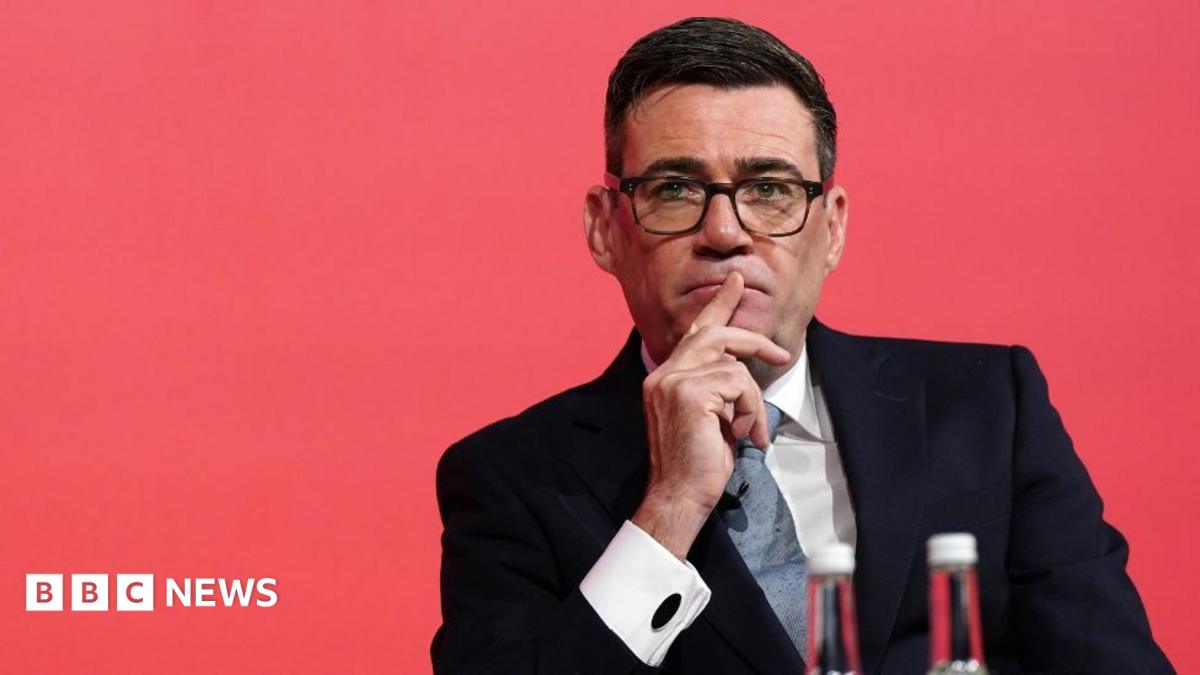
The trouble with that approach is there are plenty of examples of underperformance by the SNP in power. Ministers are struggling to clear the post-covid backlog in the NHS, there are record numbers of homeless people in temporary accommodation, and there's been a big spike in drug-related deaths. None of these problems are on the SNP's conference agenda, which is dominated by constitutional issues.
Swinney recently teamed up with the first ministers of Wales and Northern Ireland - all of them for the first time from nationalist parties - to push for constitutional change. Andy Burnham has the opportunity to give a considered response this week, during what will be his first substantive visit to Scotland since taking office. The timing - coinciding with the SNP conference - is surely not an accident.
It appears purposeful, if not provocative. The SNP responded with humour by inviting Burnham to join them in Aberdeen to agree a legal path to another referendum. That is not going to happen.
But the SNP know that any prime minister has the power to say and do things that could easily overshadow their conference discussions. It's not clear if Andy Burnham has any major announcements up his sleeve. The BBC understands decisions on whether or not to give the go ahead for oil and gas extraction from the Rosebank and Jackdaw fields are unlikely to coincide with his visit.
Instead, the PM is expected to be in North Lanarkshire, discussing his plans for transferring more power from central governments to local areas. He believes that delivering economic benefit for Scotland and "rewiring" the UK into a more decentralised state could offer an attractive alternative to independence. Local devolution is a policy area where there is scope for some common purpose between the Holyrood and Westminster governments.
Both have said they are willing to work together on pushing power into city regions and local communities. The Scottish government is proposing a major overhaul of local government while rejecting the idea of metropolitan mayors, who already operate in parts of England like Greater Manchester. These changes are in part designed to save money by cutting jobs and bureaucracy to help avoid a £5bn gap in devolved public spending by the end of this parliament.
There is no obvious slot on the main SNP conference agenda for these plans to be debated. There is, however, a Saturday session just before John Swinney's speech where the Scottish Green party's co-leader Gillian MacKay has been invited to take part in a panel discussion on independence. That may irritate some of those in the SNP who disagree with the Greens on the politics of energy, gender, and the economy.
The SNP leadership wants to show that it is comfortable with the idea that their party does not have the only pro-independence voice in the debate. They must also remember that those like Andy Burnham, who favour continued union, also have a voice and the opportunity to influence public opinion.
Source: BBC